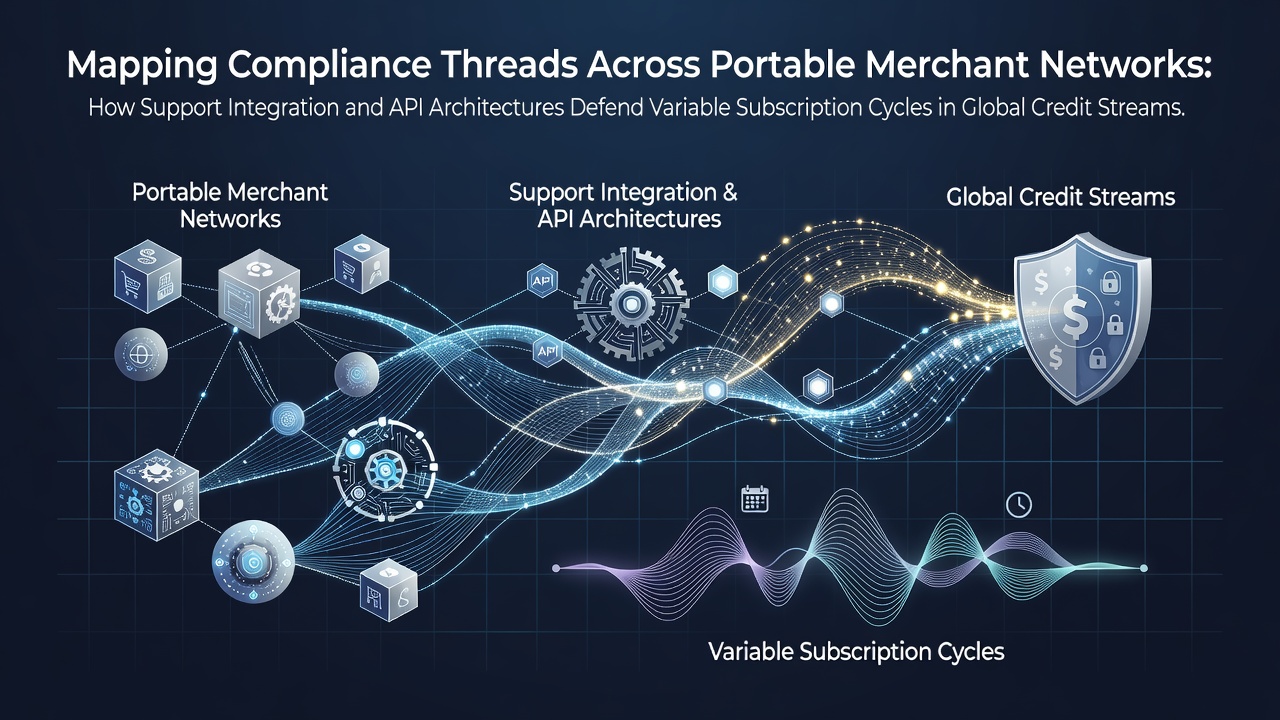
Charting Regulatory Pathways in Mobile Merchant Ecosystems: API and Support Frameworks for Flexible Global Subscription Models
Portable merchant networks operate across borders where variable subscription cycles require continuous alignment with regulatory requirements, and data from industry reports shows that API architectures combined with integrated support systems form the primary mechanisms for maintaining compliance in these environments. Researchers at institutions studying digital finance note that these networks handle recurring credit streams through dynamic billing intervals, which means compliance threads must be tracked in real time to prevent disruptions in authorization flows.
Core Elements of Compliance Mapping
Mapping compliance threads begins with identifying intersections between merchant account protocols and international payment standards, while API endpoints serve as checkpoints that validate transaction data against rulesets such as those outlined by the PCI Security Standards Council. Observers note that in portable systems these mappings extend to mobile device identifiers and geolocation signals, allowing systems to adjust for jurisdiction-specific mandates without interrupting subscription renewals. Studies from payment infrastructure analyses indicate that variable cycles, ranging from weekly to annual, introduce additional layers where support teams monitor for deviations in authorization patterns.
Support integration plays a documented role by providing escalation paths when API calls encounter compliance flags, and organizations have implemented dedicated monitoring dashboards that log every thread from initial merchant onboarding through ongoing cycle management. According to figures from global transaction databases, networks processing cross-border subscriptions reported over 12 billion variable-cycle transactions in the twelve months leading into 2025, with API-driven validations accounting for the majority of successful compliance checks.
API Architectures in Action
API architectures defend these cycles by embedding tokenization and encryption layers that align with evolving security protocols, whereas legacy systems without such integrations often experience higher rates of declined recurring payments due to mismatched regulatory data. Those who've examined production environments observe that modular API designs permit rapid updates when new compliance rules emerge, such as the enhancements scheduled for implementation across several regions in August 2026. Support personnel then use these same architectures to query live status reports, confirming that each subscription thread remains within approved parameters.
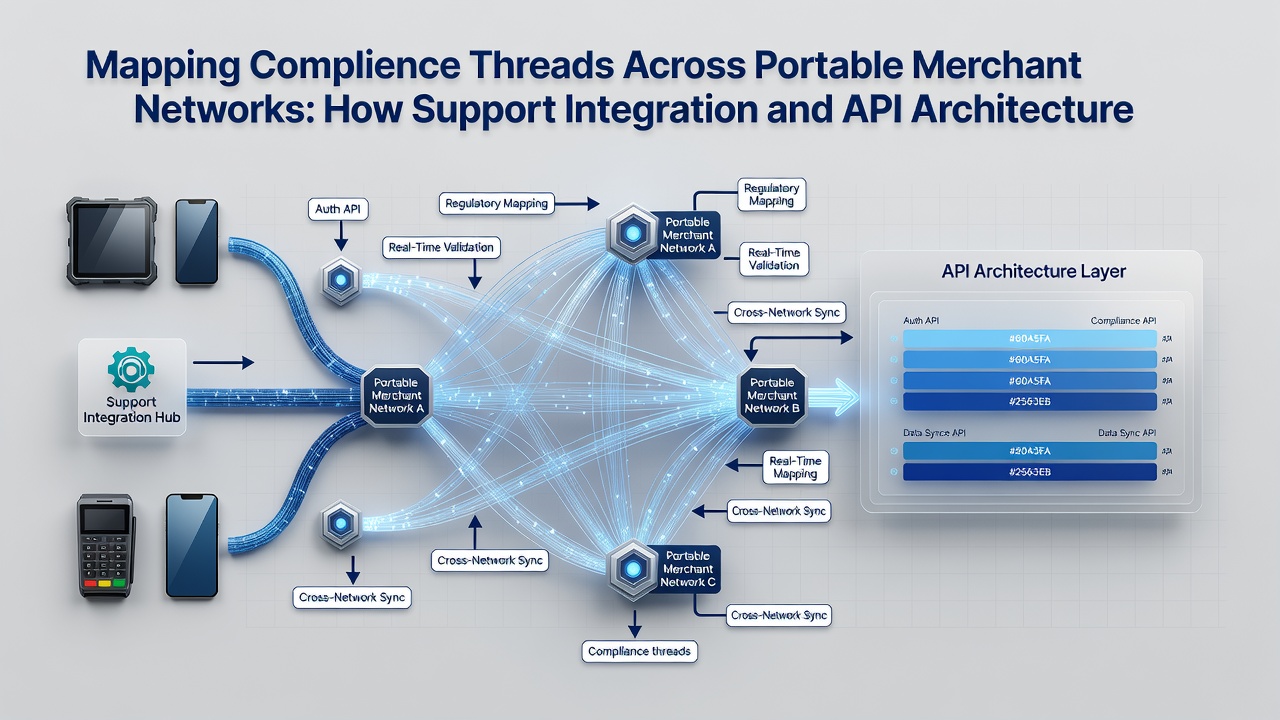
Global credit streams add further complexity because currency conversion and tax reporting requirements differ by region, yet integrated support frameworks allow operators to route queries through centralized compliance engines that reconcile data from multiple sources simultaneously. Evidence from transaction monitoring platforms reveals that networks employing unified API and support models reduced compliance-related interruptions by measurable percentages compared with fragmented setups.
Variable Cycles and Global Credit Streams
Variable subscription cycles demand that API calls include dynamic fields for cycle length, renewal triggers, and merchant-specific risk scores, while support teams cross-reference these fields against live regulatory feeds. People working in the sector note that this combination prevents mismatches that could otherwise halt credit streams mid-cycle. Data compiled by research groups tracking mobile commerce shows portable networks handling subscriptions in over 140 countries rely on such layered defenses to maintain operational continuity.
One documented approach involves mapping each compliance thread to a unique identifier that persists across API handoffs and support interventions, creating an auditable trail from authorization to settlement. External analyses, including those referenced in reports from the Bank for International Settlements, highlight how these identifiers help regulators verify that variable billing practices adhere to anti-money laundering directives without requiring manual reviews for every transaction.
Integration Patterns Observed in Production
Integration patterns that combine persistent support channels with API gateways have become standard in large-scale deployments, and case examples from North American and European operators demonstrate reduced latency in resolving flagged subscriptions. Researchers discovered that when support systems receive automated alerts from API compliance modules, average resolution times drop significantly because agents access pre-validated data sets rather than reconstructing transaction histories. This pattern holds across regions because the underlying architectures prioritize interoperability between mobile endpoints and core banking rails.
Additional threads appear when subscription cycles span multiple merchants, such as bundled services where one provider manages billing while partners deliver content, and API architectures route compliance checks through intermediary layers to ensure every participant meets the same standards. Support integration supplies the human oversight layer that interprets edge cases the algorithms flag for review.
Conclusion
Mapping compliance threads across portable merchant networks continues to evolve through tighter coupling of support integration and API architectures, particularly as variable subscription cycles expand within global credit streams. Organizations maintain these defenses by updating validation rules ahead of regulatory shifts, including those projected for August 2026, and by preserving auditable pathways that connect every transaction to its originating merchant account. The result is a system where compliance remains embedded in daily operations rather than applied as an after-the-fact check.