Digital Gateways Powering Today's Commercial Transactions
Digital payment gateways serve as the central mechanisms that authorize, route, and settle transactions between merchants, banks, and card networks while maintaining compliance with established security protocols, and these systems process billions of operations daily across multiple continents according to industry reports.
Core components include merchant accounts that hold funds temporarily during settlement cycles, processors that communicate directly with card issuers for approval decisions, and databases that log each step for audit purposes, while data from the Federal Reserve shows steady growth in electronic volumes through 2025 and into the following year.
Authorization and Settlement Workflows
Authorization begins when a customer submits card details at checkout, after which the gateway encrypts the information and forwards it to the acquiring bank for verification against issuer records, and this step typically completes in seconds before returning an approval or decline code to the merchant interface.
Settlement follows later when batches of approved transactions move from the merchant's processor to the card networks for final fund movement, whereas real-time reporting tools allow businesses to monitor pending and completed transfers without manual reconciliation, and researchers at academic institutions have documented how these automated flows reduce errors compared with older paper-based methods.
Security Standards and Compliance Requirements
Payment Card Industry Data Security Standards outline specific controls for protecting cardholder data during transmission and storage, while gateways must undergo regular audits to retain certification status. In August 2026, updates from the European Central Bank emphasized enhanced encryption requirements for cross-border transfers, and organizations that integrate tokenization see reduced exposure because actual card numbers never enter merchant systems.
Encryption protocols convert sensitive details into unreadable strings that only authorized endpoints can decode, and multi-factor authentication adds another layer during merchant login processes, but the reality is that standards evolve continuously as new threat vectors appear in global networks.
Integration with E-Commerce Platforms
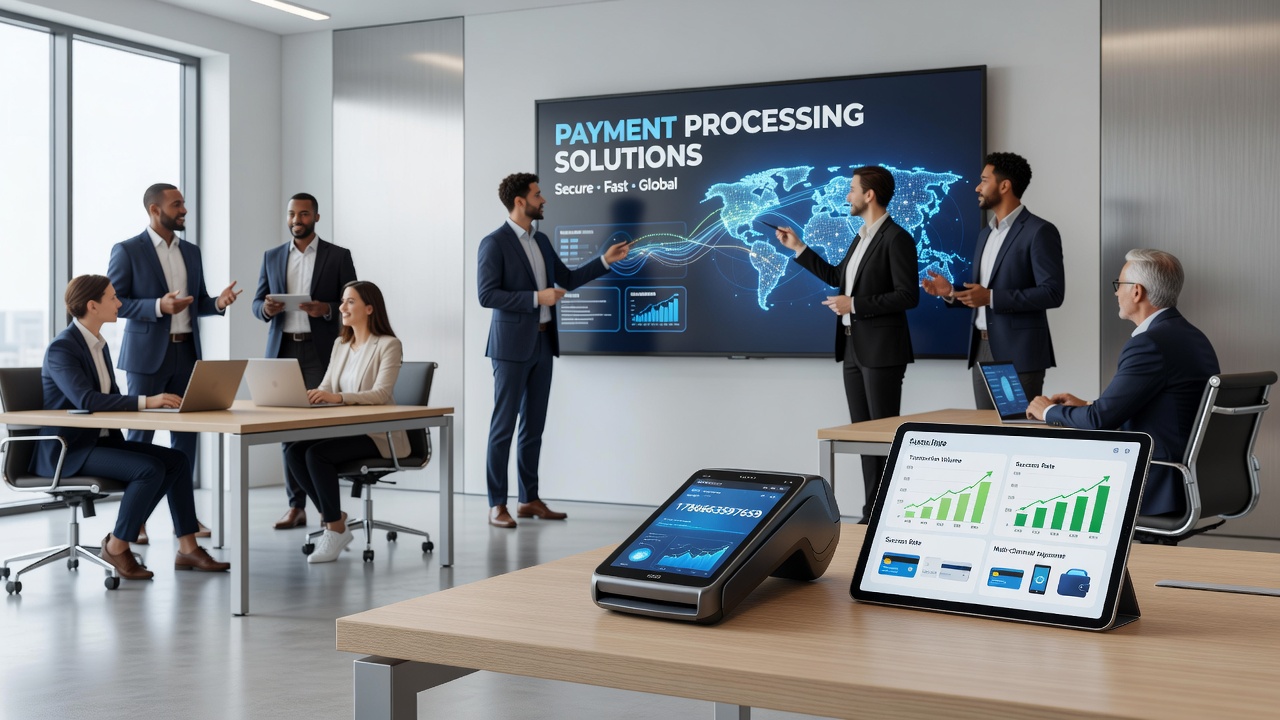
Application programming interfaces connect shopping carts directly to gateway services, allowing automatic capture of transaction details without custom coding for each new store, while platforms such as major content management systems offer pre-built modules that handle currency conversion and tax calculations on the fly. Observers note that these connections enable smaller retailers to accept multiple payment types without maintaining separate merchant relationships for each card brand.
Batch upload options support offline scenarios where internet connectivity drops temporarily, and once restored the system resumes processing queued items, and figures from the Bank of Canada indicate that such resilience features contribute to higher completion rates in regions with variable network reliability.
Reporting and Reconciliation Tools
Merchants receive detailed statements that break down fees, refunds, and chargebacks by date and payment method, while dashboards aggregate this information into visual summaries that highlight trends over weeks or months. Automated alerts notify account holders when unusual patterns appear, such as sudden spikes in declined transactions that might signal technical issues on the issuer side.
Third-party analytics services can import gateway data to generate forecasts, although primary records remain under the control of the processing provider, and studies from university finance departments have examined how timely access to these metrics supports better inventory planning for seasonal businesses.
Conclusion
Payment processing solutions continue to underpin commercial activity by linking buyers and sellers through secure, standardized channels that adapt to regulatory shifts and technological changes. Organizations that maintain current certifications and monitor settlement performance position themselves to handle increasing transaction volumes without interruption, while ongoing collaboration between regulators, networks, and technology providers shapes the next generation of capabilities.