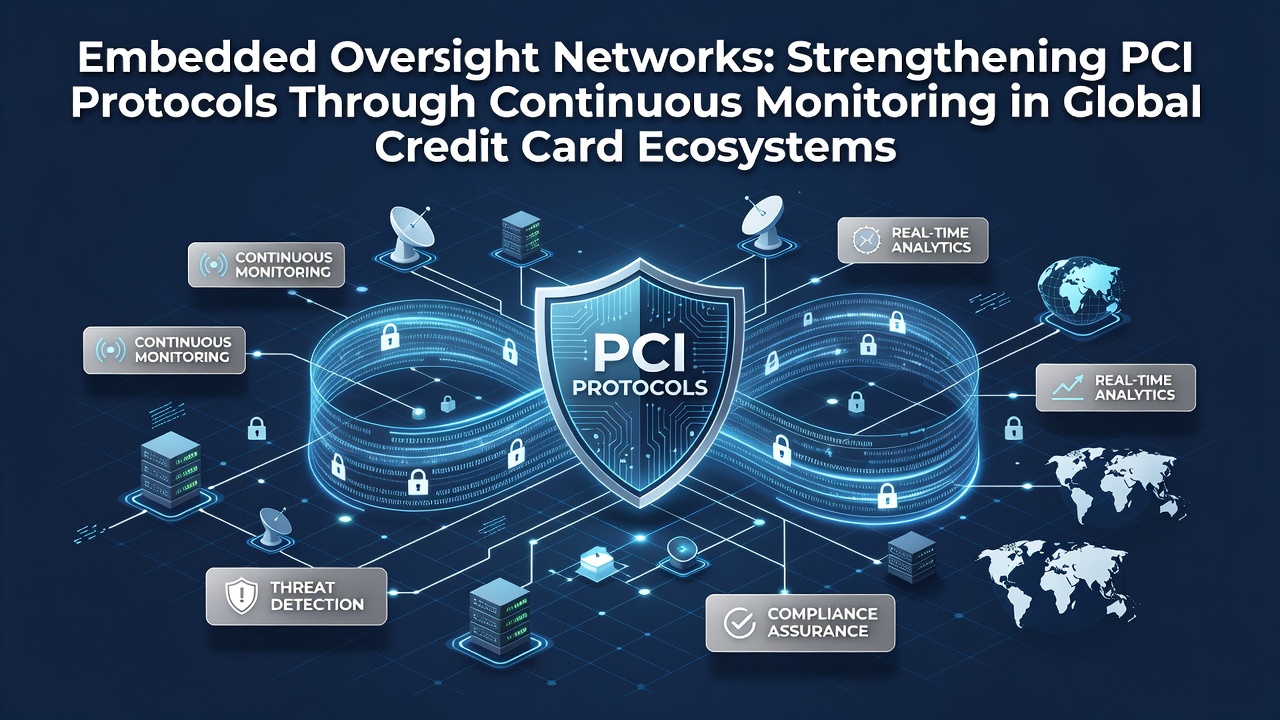
Embedded Oversight Networks: Strengthening PCI Protocols Through Continuous Monitoring in Global Credit Card Ecosystems
Embedded oversight networks integrate directly into payment processing infrastructures to deliver ongoing surveillance of credit card data flows, and these systems align with PCI DSS requirements for continuous monitoring rather than periodic audits alone. Organizations deploy sensors and analytics engines that track authorization requests, settlement records, and access logs in real time, which allows detection of anomalies before they escalate into larger incidents. Data from transaction streams feeds into centralized platforms where algorithms compare patterns against established baselines, and this approach supports the twelve core PCI DSS requirements by maintaining evidence of controls in operation throughout each day.
Core Components of Continuous Monitoring Frameworks
Network segmentation tools form one foundational element because they isolate cardholder data environments from other systems, while automated log aggregation collects events from firewalls, intrusion detection systems, and point-of-sale terminals. Researchers at academic institutions have documented how these combined elements reduce the window between an event and its identification, and industry reports indicate that organizations using embedded oversight achieve higher compliance scores during assessments. Authentication mechanisms receive constant validation through behavioral analytics that flag deviations in user activity, and encryption status checks run automatically to confirm that data remains protected during transmission and storage.
Alert generation occurs when thresholds are crossed, such as unusual volumes from a single merchant identifier or repeated failed access attempts, and response protocols route notifications to security teams for immediate review. Case studies from payment processors show that integration of these oversight layers with existing merchant account systems creates a unified view across domestic and cross-border transactions, which streamlines reporting to acquiring banks and card brands.
Global Implementation Patterns and Regional Variations
Payment networks in North America adopted embedded oversight earlier than some other regions because of high transaction volumes and regulatory expectations, yet European operators have incorporated similar capabilities to meet both PCI DSS and local data protection mandates. In August 2026 several international card schemes introduced enhanced reporting templates that require evidence of continuous monitoring outputs, and these templates reference specific metrics such as mean time to detect and mean time to respond. Observers note that Asia-Pacific processors often combine oversight networks with mobile gateway monitoring to handle recurring billing streams, while Latin American implementations focus on integration with legacy terminal fleets still common in smaller retail settings.

According to the PCI Security Standards Council, organizations must maintain audit trails that capture all access to cardholder data, and embedded systems automate much of this capture through timestamped event records. The European Banking Authority has issued guidance that encourages continuous controls testing as part of operational resilience frameworks, and Canadian authorities reference similar practices in their expectations for financial institutions handling payment card information. These regional approaches converge on the principle that monitoring must operate without creating performance bottlenecks, which has driven development of lightweight agents that sit alongside existing payment applications.
Technical Integration with Merchant Ecosystems
API endpoints expose monitoring outputs to merchant dashboards so that acquirers can review compliance posture on demand, and these connections use secure channels that themselves fall under PCI scope. Variable-cycle billing operations benefit from the same oversight because each recurring authorization passes through the monitored environment, and anomaly detection covers both initial setup and subsequent charges. Processors that have embedded oversight report streamlined quarterly scans because baseline data already exists and deviations appear quickly in the logs.
Training programs for operations staff now include modules on interpreting oversight alerts, and this prepares teams to distinguish between benign fluctuations and genuine policy violations. Hardware security modules remain central because they protect cryptographic keys used in monitoring encryption verification routines, and firmware updates receive the same change-control scrutiny applied to other payment components.
Conclusion
Embedded oversight networks continue to evolve alongside updates to PCI DSS and supporting regional regulations, and their role centers on providing persistent visibility rather than replacing established security controls. Organizations that maintain these networks generate the documentation needed for assessments while also supporting faster incident response when events occur. The combination of automated collection, threshold-based alerting, and cross-border data correlation creates a practical mechanism for upholding payment card security standards across diverse merchant environments and processing infrastructures.