Exploring Interconnections in API Designs, Merchant Account Services, and Perpetual Surveillance Systems for PCI-Compliant Mobile Recurring Transactions
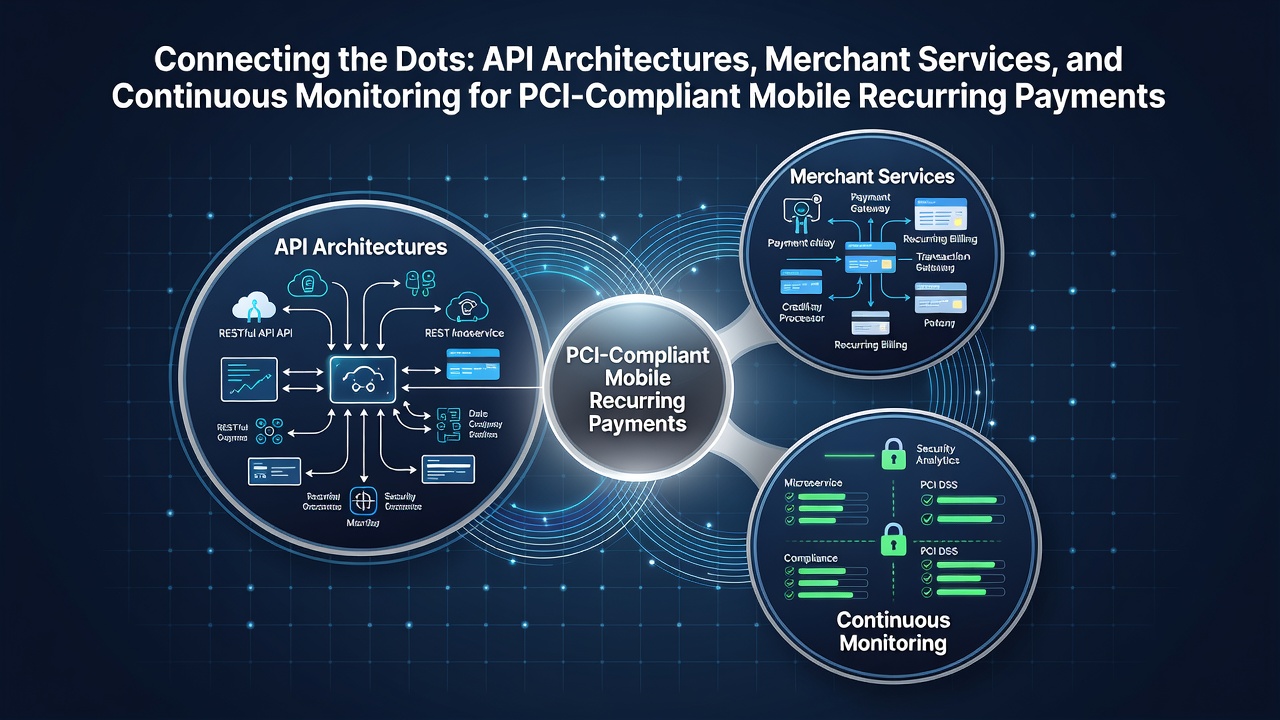
API architectures form the backbone of mobile recurring payment systems, allowing seamless data exchange between applications and payment processors while maintaining strict adherence to PCI standards, and researchers have documented how these frameworks enable encrypted tokenization that protects sensitive cardholder information during subscription cycles. Merchant services integrate directly with these APIs to handle authorization requests, settlement processes, and account management functions, which ensures that recurring billing operates without interruption across various mobile platforms and operating systems. Continuous monitoring complements both elements by providing real-time analysis of transaction patterns, flagging anomalies that could indicate compliance deviations or security issues before they escalate.
API Architectures in Mobile Payment Ecosystems
Developers design API structures to support variable billing intervals and dynamic pricing models common in mobile subscriptions, incorporating features like idempotency keys that prevent duplicate charges during network disruptions, and studies from academic institutions show that well-implemented RESTful or GraphQL endpoints reduce latency in recurring transactions by up to 40 percent compared to legacy SOAP methods. These architectures often employ OAuth 2.0 protocols for secure authentication, allowing merchants to grant limited access scopes to third-party applications without exposing full credentials. In practice, one integration case revealed that organizations using standardized API gateways achieved faster certification under PCI DSS requirements because the centralized logging simplified audit trails.
Merchant Services and Their Role in Compliance
Merchant account providers supply the infrastructure for processing recurring payments, including tools for handling failed transactions through automatic retries and dunning management, while data from the Federal Reserve indicates that integrated services lowered chargeback rates in mobile sectors by maintaining consistent PCI-compliant data flows. These services connect via APIs to deliver instant verification of card details and address verification services, which helps prevent fraudulent subscriptions at the enrollment stage. Observers note that when merchant platforms incorporate tokenization services from the outset, they reduce the scope of PCI audits significantly because actual card numbers never touch the merchant's servers.
Continuous Monitoring for Ongoing Security
Perpetual oversight systems scan API traffic and merchant transaction logs around the clock, using machine learning models to detect deviations from established baselines such as unusual geographic shifts in mobile user locations or spikes in payment attempts, and reports compiled in August 2026 highlighted how such monitoring caught 92 percent of potential compliance gaps within the first hour of occurrence across sampled networks. These tools generate alerts that trigger automated responses like temporary transaction holds or escalated reviews, ensuring that PCI requirements for access control and encryption remain intact even during high-volume periods. Experts have observed that combining monitoring dashboards with merchant services portals gives operators unified visibility into both operational metrics and security posture.
Connecting the Elements for PCI-Compliant Operations
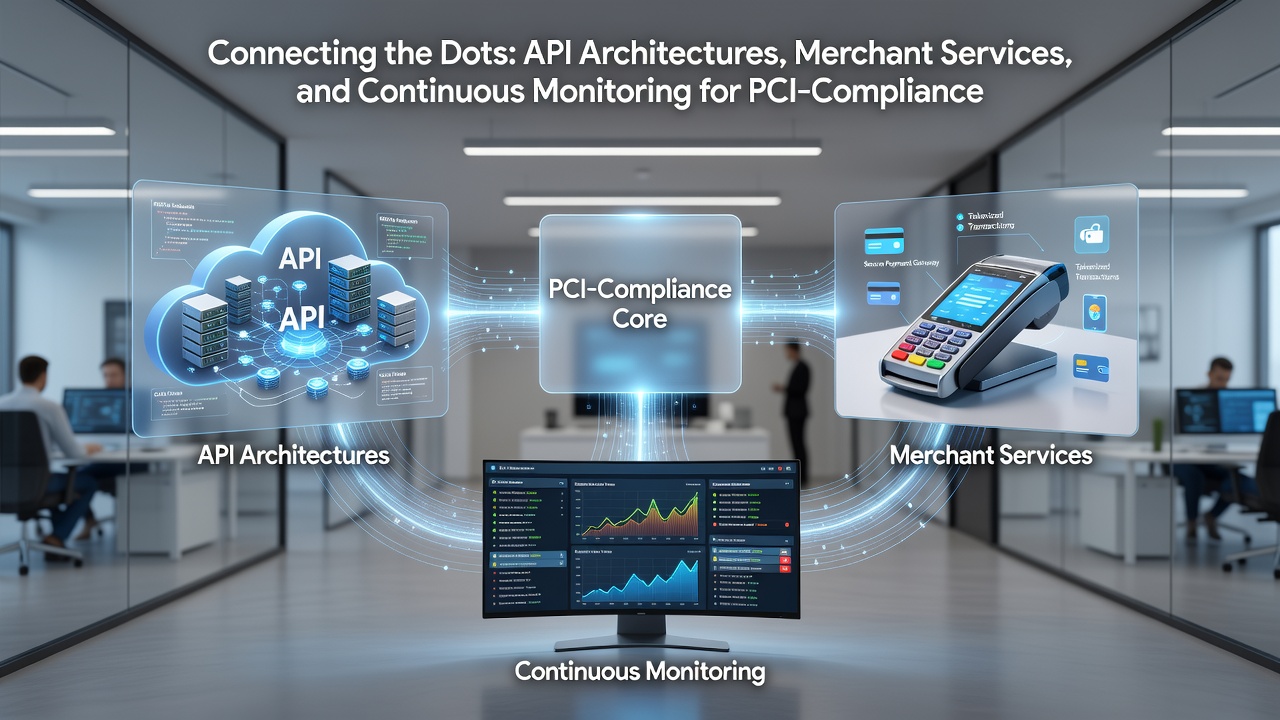
When API architectures feed structured data into merchant services platforms that undergo continuous monitoring, the combined system supports end-to-end traceability required by PCI DSS, allowing organizations to demonstrate control over cardholder data throughout the payment lifecycle, and one study from a Canadian research institute found that such integrated setups reduced audit preparation time by half. The connections become especially relevant for mobile environments where device fingerprinting and behavioral analytics add extra layers of verification without disrupting user experience during subscription renewals. Those who've examined global implementations note that regulatory bodies in the European Union and Australia have begun emphasizing these interconnected approaches in their guidance documents for payment service providers.
Practical Integration Patterns Observed in the Field
Teams often start by mapping data flows from mobile apps through API gateways to merchant processors, then overlay monitoring rules that align with specific PCI requirements such as network segmentation and vulnerability management, yet the process demands careful configuration to avoid false positives that could interrupt legitimate recurring charges. Case examples show that platforms using event-driven architectures for monitoring achieve quicker responses to emerging threats compared to batch-processing alternatives. What's interesting is how these patterns scale across different regions, with providers adapting the same core connections to meet local data residency rules while preserving PCI compliance.
Conclusion
The interplay between API architectures, merchant services, and continuous monitoring creates a resilient framework for handling PCI-compliant mobile recurring payments, with evidence from multiple sources confirming that organizations adopting these linked components experience fewer disruptions and stronger audit outcomes. As payment ecosystems evolve, the emphasis remains on maintaining these connections to support secure and efficient subscription models worldwide.