From Pocket to Processor: Exploring the Mechanics of Secure Credit Handling in Subscription Mobile Services via Integrated Gateways and Merchant Tools
Subscription mobile services move credit information from user devices through multiple layers before it reaches processors, and integrated gateways along with merchant tools manage that movement at each stage. Data shows that mobile subscriptions accounted for a growing share of recurring transactions worldwide in recent years, which has prompted closer examination of how these pathways operate under consistent security protocols.
The Initial Capture at the Device Level
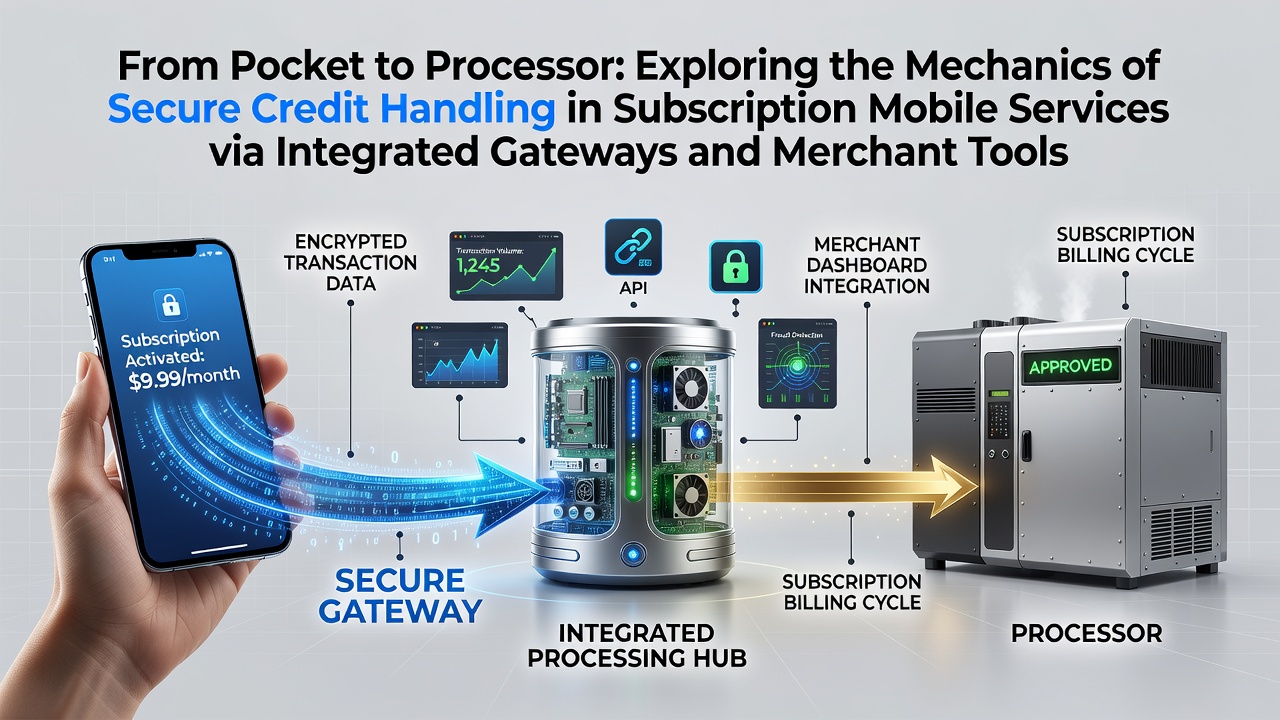
Users enter payment details directly into mobile applications, and those details pass through encrypted channels established by the service provider before any transmission occurs. Observers note that tokenization happens early in this sequence, where actual card numbers convert into unique identifiers that travel instead of the original data. This step reduces exposure while the information moves toward backend systems, and studies from payment networks confirm that token use has expanded rapidly in subscription models.
Merchant tools embedded in these apps handle initial validation checks, including format verification and basic address matching, before forwarding requests. Researchers have documented how these tools connect with device-level security features such as biometric prompts to confirm user intent at the point of entry.
Gateway Integration and Routing Pathways
Integrated gateways receive tokenized requests and apply routing logic that directs traffic based on factors including card type, geographic location, and subscription parameters. These gateways maintain connections to multiple acquiring banks, which allows them to select the most appropriate path for each transaction without exposing the full credit stream. According to reports from the Bank for International Settlements, such routing capabilities have become standard in high-volume mobile environments because they support both speed and compliance requirements.
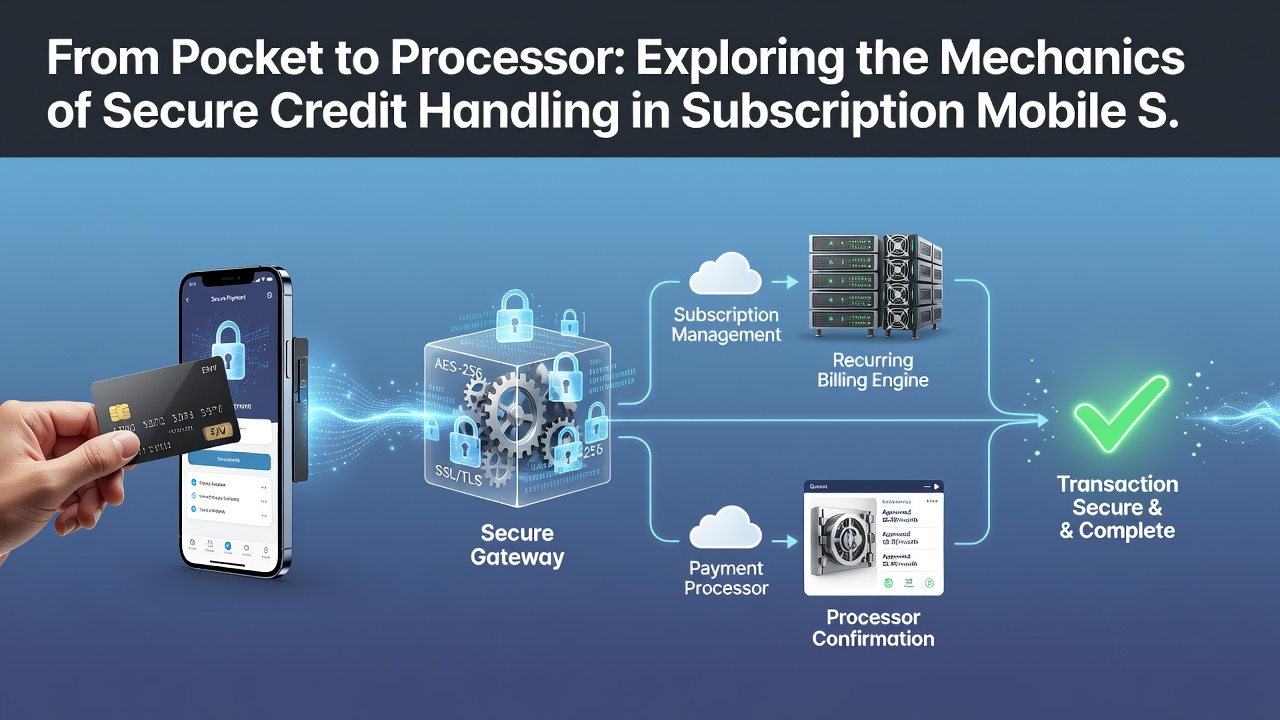
Gateway software also performs currency conversion and fee calculation in real time for international subscriptions, while merchant dashboards display these calculations for review. Those who manage large subscription fleets often rely on these interfaces to adjust parameters across regions without altering core code.
Merchant Tools for Ongoing Management
Merchant tools extend beyond initial capture to include subscription lifecycle controls such as plan changes, pause functions, and renewal scheduling. These tools interface directly with gateways through APIs that transmit updated instructions while preserving the tokenized credentials established at signup. Evidence from industry analyses indicates that platforms using unified merchant interfaces experience fewer interruptions during billing cycles compared with fragmented setups.
Real-time monitoring features within these tools track authorization responses and flag anomalies based on historical patterns for each subscriber. Data compiled by central banks in the European Union shows consistent use of such monitoring layers across mobile commerce channels to maintain transaction integrity.
Processor Handover and Settlement
Once gateways complete their routing and validation steps, requests reach processors that perform final authorization against issuing banks. The processor returns approval or decline signals through the same gateway channel, and merchant tools log these outcomes for reconciliation. Settlement follows on a scheduled basis, typically daily, with funds moving into merchant accounts after network fees are deducted.
Those who oversee subscription operations note that processors also handle chargeback workflows when disputes arise, feeding status updates back into merchant dashboards for quick response. Projections from payment research groups suggest continued refinement of these handover processes through 2026 as volume grows.
Cross-Border Considerations in Mobile Subscriptions
International subscriptions require additional routing decisions at the gateway level to accommodate varying regulatory frameworks across jurisdictions. Merchant tools allow configuration of region-specific rules for tax handling and disclosure without separate code branches. Academic reviews of payment infrastructure highlight how these configurations help maintain compliance when subscribers move between countries.
Links to external regulatory updates remain limited in most merchant interfaces, yet operators can pull the latest requirements from authoritative sources such as the Federal Reserve payments documentation and reports issued by the European Central Bank on cross-border systems.
Conclusion
The pathway from mobile device to processor in subscription services relies on coordinated action between gateways and merchant tools at every segment. Tokenization at entry, intelligent routing through gateways, and lifecycle controls in merchant platforms together support the secure handling of credit data across recurring transactions. Ongoing data collection from central banks and industry bodies continues to inform adjustments in these mechanics as mobile subscription volumes evolve.