
Global Trends in Financial Settlement Technologies
Financial settlement technologies have transformed how organizations handle monetary exchanges across borders and industries, with data from the Bank for International Settlements indicating steady growth in electronic transfers through 2025 and projections extending into October 2026. These systems integrate multiple components that route funds from payers to recipients while maintaining compliance with varying regulatory frameworks in regions such as North America, Europe, and Asia-Pacific. Observers note that businesses increasingly rely on these platforms to manage high volumes of daily operations without manual intervention at every step.
Core Elements of Settlement Platforms
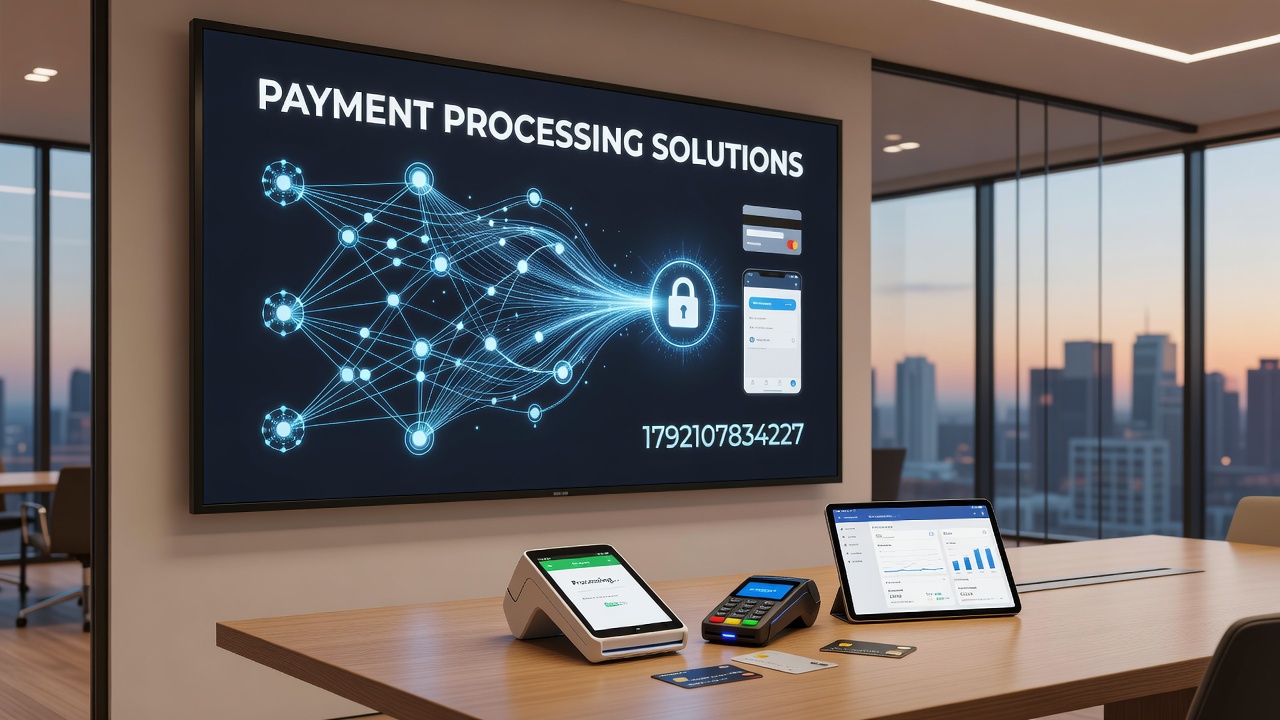
Payment processing solutions typically encompass gateways that authorize transactions, processors that execute the movement of funds, and settlement services that finalize transfers between accounts. Researchers at institutions like the Federal Reserve Bank of New York have documented how these layers interact in real time, allowing merchants to receive confirmations within seconds for most card-based exchanges. And because many platforms now support multiple currencies and payment types, including bank transfers and digital wallets, companies can expand operations into new markets more readily than in previous decades.
Those who examine the infrastructure often discover that application programming interfaces form the backbone of connectivity between merchant systems and financial institutions. Data shows that API-driven connections reduce processing delays by linking point-of-sale terminals directly to banking networks, whereas older batch methods required overnight reconciliation cycles. In practice this means retailers can update inventory and accounting records almost instantly after each sale, a shift that gained momentum following widespread adoption of cloud-based services.
Regional Adaptations and Regulatory Influences
Different jurisdictions impose distinct requirements on settlement technologies, prompting providers to build flexible architectures. For instance, the European Central Bank has tracked the rise of instant payment schemes across member states, where funds move between accounts in under ten seconds. Meanwhile figures from the Reserve Bank of Australia reveal similar accelerations in domestic transfers, driven by consumer demand for faster access to cleared amounts. Companies operating internationally therefore select solutions that accommodate these variations through modular compliance tools rather than one-size-fits-all approaches.
Take one enterprise that expanded from domestic e-commerce into cross-border sales and discovered that settlement times varied dramatically depending on the destination country. By integrating platforms capable of handling both ACH-style batches and real-time rails, the organization reduced reconciliation discrepancies and improved cash flow predictability. Such examples illustrate why adaptability remains central to platform selection criteria among mid-sized firms and larger corporations alike.
Integration Patterns Across Business Sizes
Smaller merchants frequently begin with hosted solutions that require minimal technical setup, while enterprises deploy customized environments that connect legacy accounting systems to modern gateways. Studies from academic sources such as the MIT Center for Finance and Policy indicate that hybrid models combining both approaches yield higher uptime rates during peak sales periods. Those who've implemented such combinations report fewer interruptions because redundant pathways handle traffic spikes without overloading primary servers.
What's interesting is how October 2026 has been cited in industry forecasts as a potential milestone for broader rollout of tokenization standards that replace sensitive card data with unique identifiers. Although adoption timelines differ by region, preliminary trials in Canada and parts of Southeast Asia have already demonstrated reduced exposure during data transmission. Businesses evaluating platforms therefore examine whether current vendors plan updates aligned with these emerging protocols.
Operational Considerations for Long-Term Use
Maintenance of settlement technologies involves regular audits of connection points and updates to encryption protocols as threats evolve. Industry reports compiled by organizations like the World Bank highlight that consistent monitoring of transaction logs helps identify anomalies early, allowing teams to adjust routing rules before issues compound. Yet because these systems operate continuously, downtime windows must be scheduled carefully to avoid disrupting revenue streams in time-sensitive sectors such as hospitality and logistics.
People who've managed large-scale deployments often emphasize the value of vendor support structures that provide documentation and troubleshooting resources around the clock. This becomes especially relevant when scaling operations across multiple time zones, where a problem originating in one market can affect settlement cycles elsewhere. Data indicates that organizations maintaining clear escalation procedures experience shorter resolution times compared with those relying solely on automated alerts.
Conclusion
Settlement technologies continue to underpin commercial activity worldwide by enabling reliable movement of funds through increasingly interconnected networks. As new standards and regional schemes mature toward October 2026, businesses that align their platforms with both current requirements and anticipated updates position themselves to handle growing transaction volumes efficiently. Evidence from regulatory bodies and research institutions shows that thoughtful integration of these systems supports smoother operations across diverse markets without requiring constant reinvention of core processes.