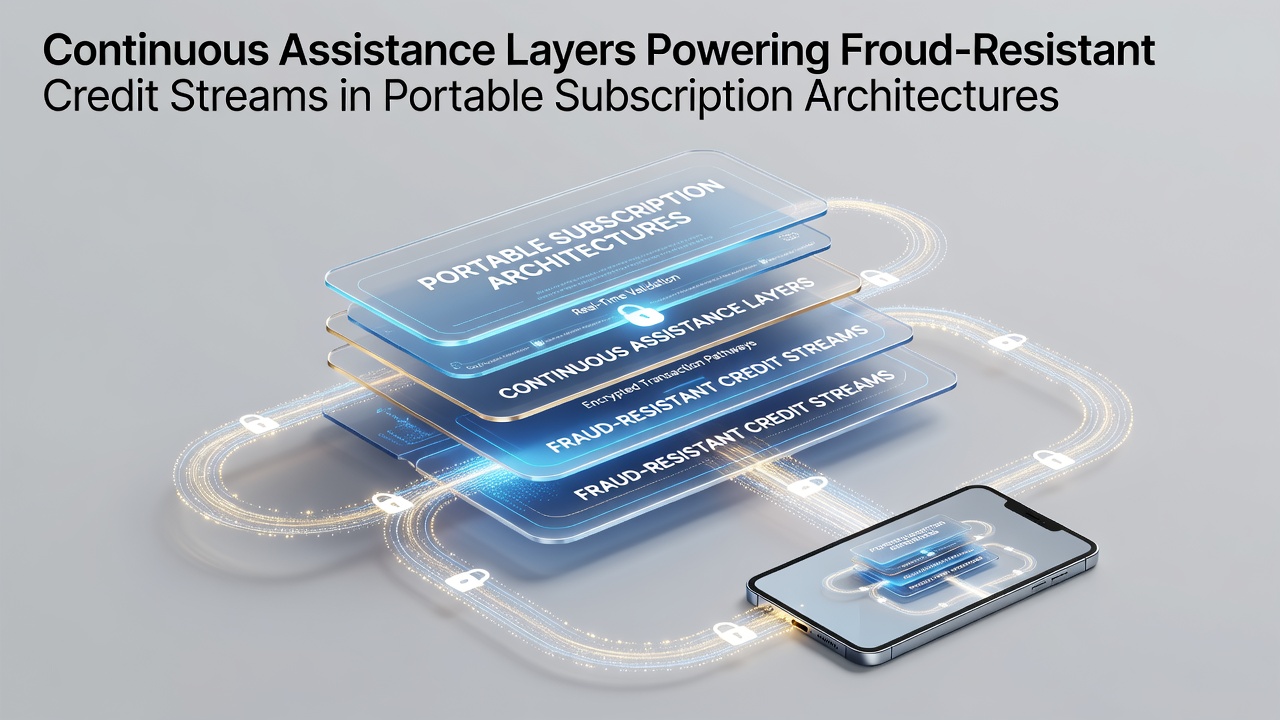
Integrated Support Mechanisms Bolstering Secure Credit Flows in Mobile Subscription Frameworks
Continuous assistance layers operate as ongoing monitoring and intervention frameworks within portable subscription architectures, where they connect real-time support protocols with API-driven transaction pathways to reduce exposure in recurring credit streams. Researchers at various financial institutions have documented how these layers combine human oversight with automated alerts, allowing teams to address anomalies before they escalate into confirmed fraud cases across global mobile networks.
Core Components of Continuous Assistance Layers
These systems rely on persistent data feeds from mobile devices and payment gateways, where algorithms flag deviations in spending patterns while support personnel review flagged items in sequence. Studies from academic sources indicate that integration of such layers with variable-cycle billing engines helps maintain compliance under standards like those outlined by the PCI Security Standards Council, since each intervention point logs actions for audit trails. Observers note that portable architectures benefit particularly because users shift between networks frequently, creating more entry points for unauthorized access attempts.
Data from industry reports shows transaction volumes in subscription services rising steadily through 2025, with August 2026 projections estimating further growth in cross-border mobile billing. This expansion places additional demands on assistance frameworks to coordinate with international verification protocols, using conjunctions of machine learning models and on-call specialists to verify identities without interrupting service continuity.
Technical Integration with Fraud Detection Protocols
API bridges serve as primary connectors between assistance layers and credit authorization engines, routing alerts through encrypted channels that preserve data integrity during mobile handoffs. Experts have observed that when support teams receive immediate context from these APIs, response times shorten, which in turn limits the window available for fraudulent modifications to recurring payment schedules. Evidence from regulatory filings in multiple regions confirms that organizations adopting layered assistance report measurable declines in chargeback rates tied to unauthorized subscriptions.
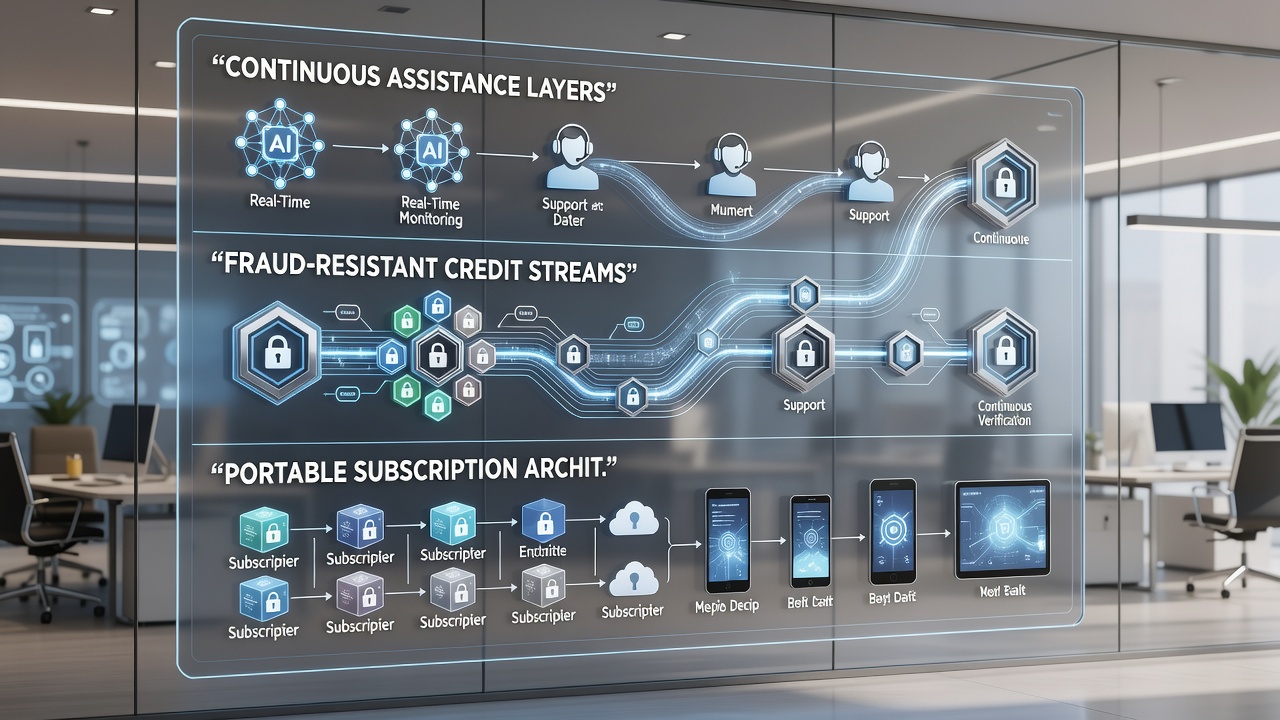
What's notable is the way these layers adapt to device portability, where geolocation shifts trigger additional verification steps coordinated by assistance personnel. Research indicates that combining location-based signals with behavioral analytics produces stronger defenses than either method alone, especially when users move across borders and encounter differing compliance requirements from bodies such as the European Central Bank and the Australian Securities and Investments Commission.
Compliance and Monitoring Across Regions
Portable subscription models must satisfy overlapping regulatory expectations, and continuous assistance supplies the human element that automated systems sometimes lack when edge cases arise. Teams review logs generated during high-volume periods, cross-referencing them against patterns identified in prior incidents to refine detection thresholds over time. Figures from payment network analyses reveal that architectures incorporating round-the-clock support demonstrate improved alignment with evolving standards for data protection in recurring transactions.
Take one deployment where experts linked assistance dashboards directly to merchant account systems; the result was faster isolation of suspicious credit streams without widespread service disruption. Such examples illustrate how the architecture distributes responsibility across both technical safeguards and operational teams, maintaining flow while addressing threats at their source.
Future Developments in August 2026 and Beyond
As August 2026 approaches, several networks plan expanded testing of AI-augmented assistance layers that predict potential fraud vectors before they materialize in mobile environments. These advancements build on existing frameworks by incorporating predictive modeling drawn from aggregated transaction histories, yet they still require human validation loops to ensure accuracy across diverse regulatory landscapes. Reports from research institutions highlight ongoing work to standardize these hybrid approaches so that portable devices can maintain consistent security postures regardless of carrier or region.
Conclusion
Continuous assistance layers function as essential intermediaries that link technical defenses with operational responsiveness in mobile subscription credit systems. Their role in sustaining fraud-resistant streams continues to evolve alongside changes in portable architectures and regulatory expectations, supported by data from sources including the Bank of Canada on transaction security trends. Organizations that maintain these integrated frameworks position recurring payment operations to handle increasing volumes while preserving compliance and user trust across international networks.