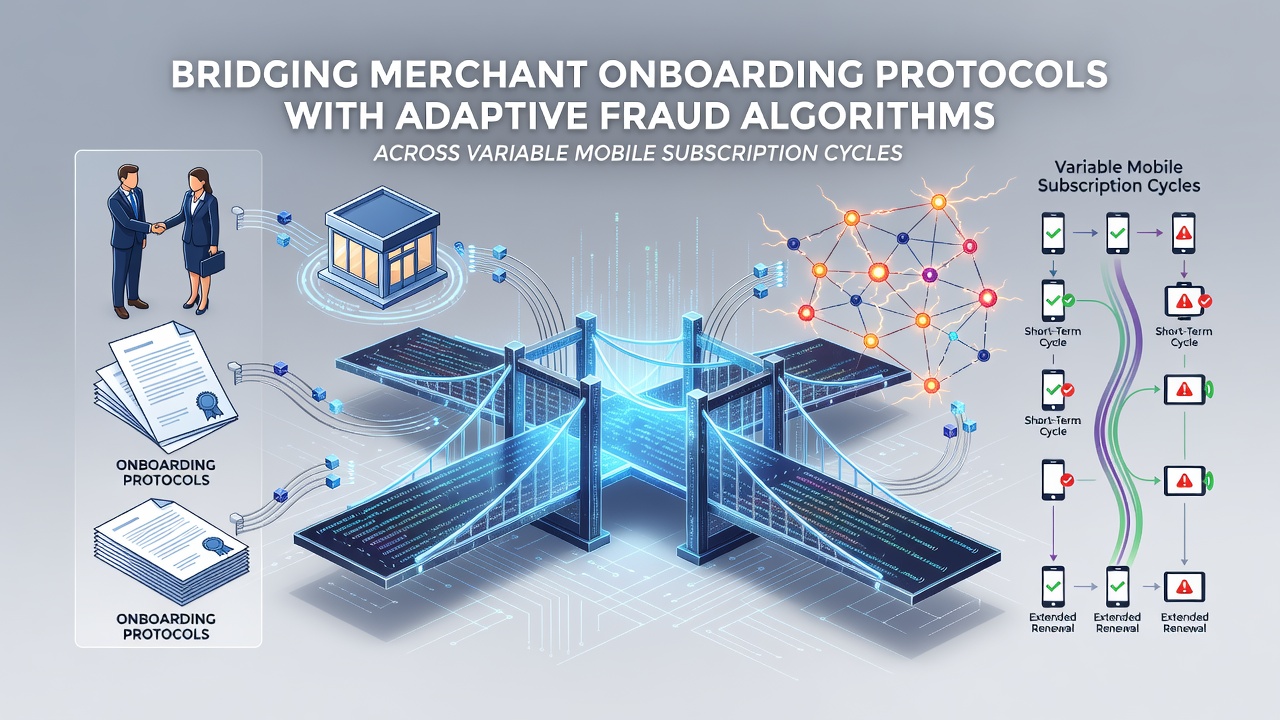
Merging Merchant Verification Processes with Evolving Fraud Prevention Across Adjustable Mobile Subscription Periods
Merchant verification systems have evolved to handle complex requirements in mobile commerce, where subscription lengths shift based on user preferences and market conditions. Data from industry reports shows that these protocols now integrate directly with fraud detection mechanisms that adjust in real time to patterns across different billing intervals. Observers note that companies managing variable cycles often face challenges when traditional checks fail to account for short-term versus long-term subscriptions, leading to delays or missed threats.
According to figures from the Federal Reserve, mobile payment volumes reached new levels by mid-2025, with recurring transactions forming a significant portion of that growth. This expansion pushed developers to create algorithms capable of learning from each cycle's unique data points, including device location, payment frequency, and user behavior shifts. Those who've studied these integrations find that early detection improves when onboarding data feeds straight into the fraud models without manual handoffs.
How Onboarding Protocols Feed Adaptive Systems
Verification steps during merchant enrollment collect details such as business registration, bank credentials, and historical transaction profiles, then route this information into machine learning layers that monitor for anomalies. Research indicates that when these layers receive fresh data from onboarding, they reduce false positives in fraud alerts by up to 30 percent across fluctuating subscription terms. Experts have observed that shorter cycles, often lasting weeks rather than months, generate denser data streams that require faster processing speeds to stay effective.
Systems built for this purpose use continuous learning loops, where each completed billing period updates the model parameters. One study revealed that platforms handling both daily and annual mobile subscriptions achieved better accuracy after implementing such loops, because the algorithms learned to distinguish legitimate changes in user spending from suspicious activity. The reality is that without this bridge, merchants encounter higher rejection rates during peak sign-up periods.
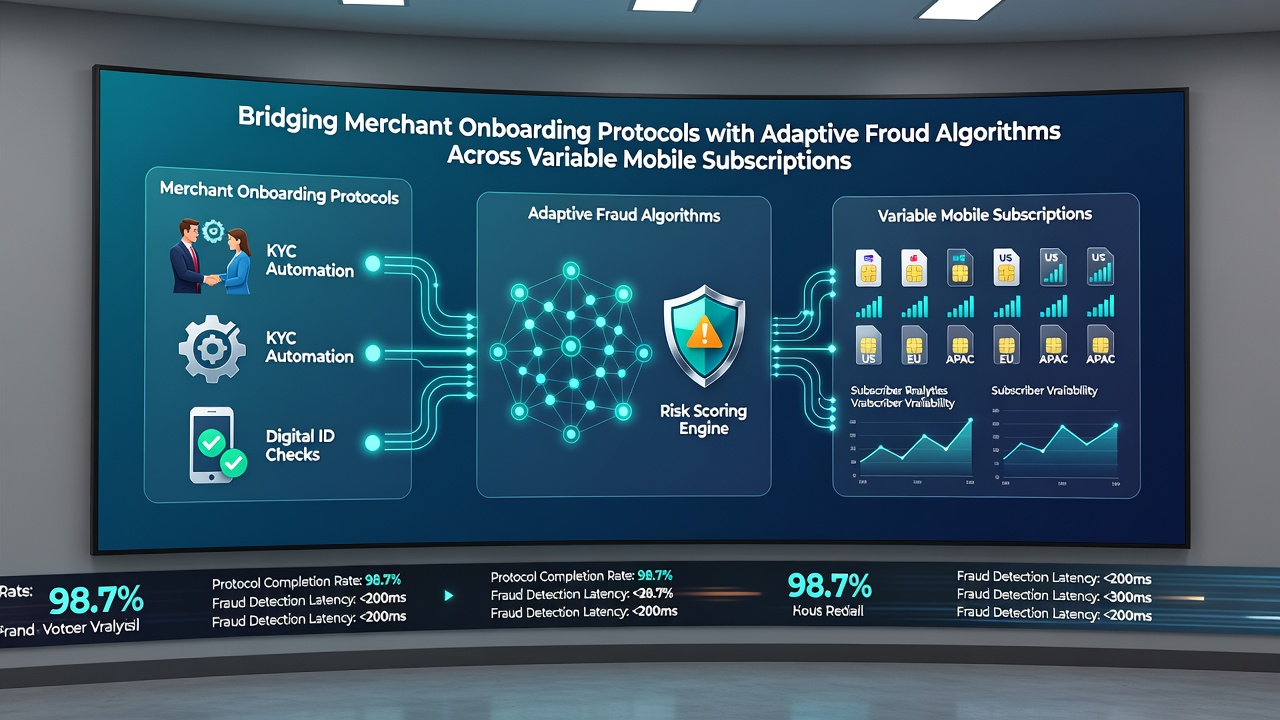
Regional Approaches and September 2026 Developments
European regulators updated guidelines on digital payment security in late 2025, with full enforcement scheduled for September 2026, requiring tighter links between merchant setup records and ongoing fraud monitoring. These rules emphasize that subscription platforms must demonstrate how their algorithms adapt when cycle lengths change mid-contract. Canadian authorities, through the Financial Consumer Agency, released parallel guidance earlier that same year, focusing on consumer protection during variable billing transitions.
What's interesting is how these regional standards encourage API-level connections that allow onboarding information to influence fraud scoring instantly. Take one researcher who examined platforms in Asia-Pacific markets and found that those with unified data pipelines handled cross-border mobile subscriptions with fewer interruptions than isolated systems. Evidence suggests the September 2026 timeline will accelerate adoption of these unified approaches globally, as non-compliance carries operational penalties.
Practical Integration Examples
There's this case where a European mobile service provider linked its merchant verification database directly to an adaptive fraud engine, resulting in quicker approvals for new subscription tiers. The engine adjusted thresholds based on cycle length, applying stricter checks to weekly plans that showed higher churn rates. People who've implemented similar bridges report smoother operations during seasonal spikes, when subscription volumes rise and fall unpredictably.
Industry organizations such as the PCI Security Standards Council have published resources on maintaining compliance while these connections run. Their materials highlight that encryption standards must cover both the onboarding phase and the live fraud monitoring phase to prevent data leaks. Observers note that platforms ignoring this dual coverage faced increased audit findings in recent reviews.
Challenges in Variable Cycle Environments
Variable subscription lengths introduce complexity because fraud patterns differ between short bursts of activity and steady long-term use. Algorithms must recalibrate quickly when a user switches from monthly to quarterly billing, or risk either over-flagging or under-detecting threats. Data shows that integration points between verification and detection systems become critical failure spots if not maintained with regular testing.
Yet platforms that treat onboarding as the starting point for fraud intelligence tend to maintain higher accuracy across regions. Research from academic sources in Australia indicates that combining location-based signals from mobile devices with merchant profile data strengthens defenses without slowing down legitimate transactions. Those managing global operations find that regional rule variations add another layer, requiring flexible configuration tools within the same algorithm set.
Conclusion
Connecting merchant enrollment protocols to responsive fraud algorithms creates a more resilient framework for handling mobile subscriptions that change over time. As enforcement dates approach in September 2026 across multiple jurisdictions, the emphasis remains on seamless data flow and adaptive learning. Organizations that establish these bridges early position themselves to meet both security requirements and operational demands in an expanding mobile commerce landscape.