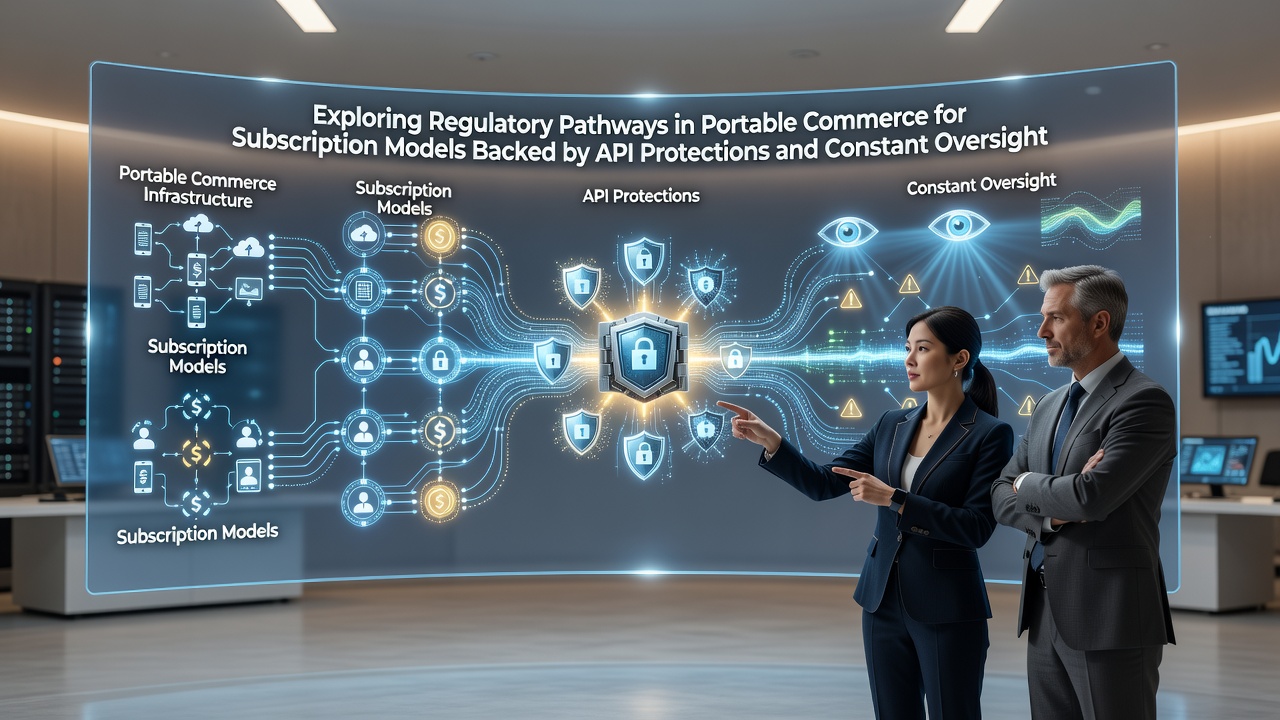
Regulatory Pathways for Subscription-Based Mobile Commerce: API Protections and Continuous Oversight
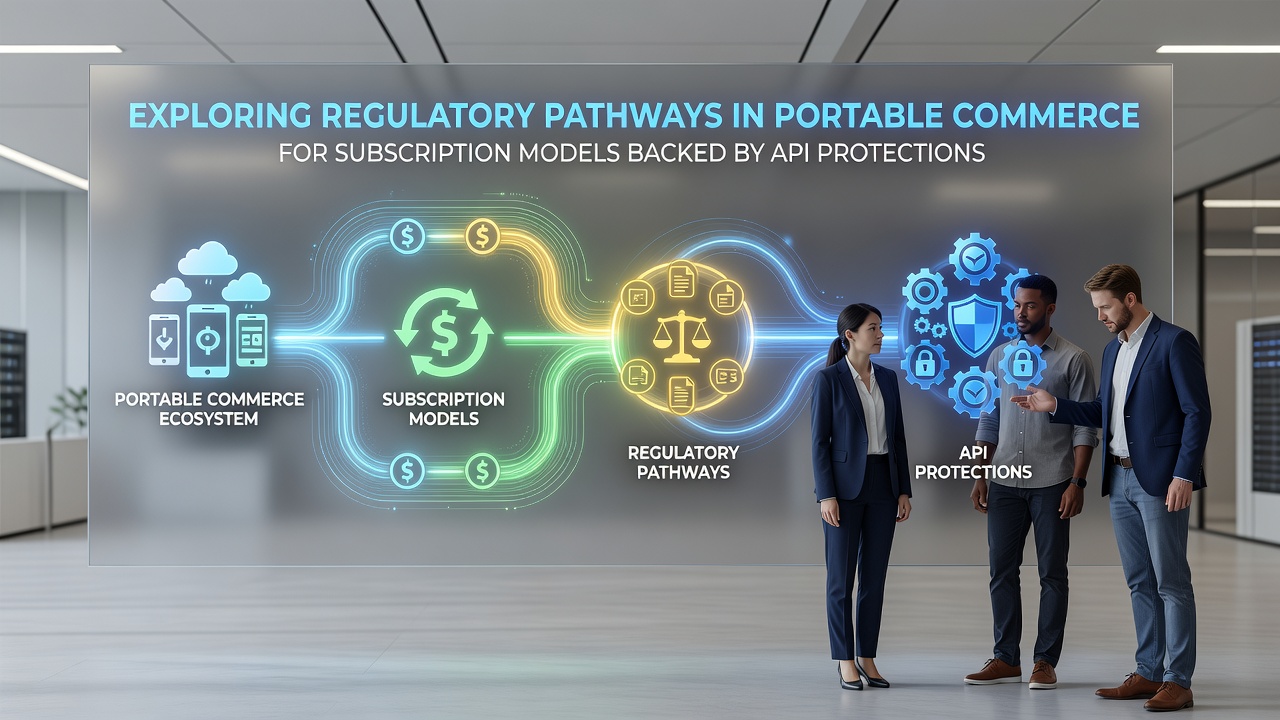
Regulatory pathways in portable commerce have evolved to address subscription models that rely on API protections alongside continuous oversight mechanisms, and these frameworks continue to adapt as markets expand. Governments and industry bodies track how mobile platforms handle recurring billing while maintaining data security and compliance standards across borders. Data from multiple regions shows that subscription services now represent a significant portion of mobile transactions, prompting regulators to refine rules around API access and monitoring protocols.
International Regulatory Structures for Mobile Subscriptions
Authorities in the European Union have established directives that govern digital services including mobile subscriptions, with emphasis on secure API integrations that prevent unauthorized access and ensure consumer data flows remain protected. The European Commission publishes updates on these rules, and member states implement them through national agencies that conduct periodic audits. In parallel, the US Federal Trade Commission oversees consumer protection aspects of recurring payments, requiring clear disclosure practices and robust technical safeguards in API designs.
Asia-Pacific regulators have introduced similar measures, and Australia’s competition and consumer commission has issued guidelines on digital marketplaces that cover subscription services operating through mobile channels. These guidelines stress the need for ongoing oversight to detect anomalies in transaction patterns, and they encourage API architectures that support real-time reporting to supervisory bodies.
API Protections in Subscription Ecosystems
API protections serve as foundational elements in subscription models because they control data exchange between mobile applications, payment processors, and service providers. Encryption standards and authentication protocols form core components of these protections, while access controls limit which parties can retrieve or modify subscription details. Research indicates that systems incorporating multi-factor authentication at the API level experience fewer incidents of unauthorized account modifications compared to those without such layers.
Constant oversight integrates with these API frameworks through automated monitoring tools that flag irregular activity, and regulatory requirements often mandate logging mechanisms that allow authorities to review transaction histories when needed. Observers note that such combined approaches help maintain compliance even as subscription cycles vary by user preference or regional norms.
Developments Scheduled for August 2026
Regulatory updates planned for August 2026 include revised technical standards for API interoperability in several jurisdictions, and these changes aim to harmonize oversight procedures across mobile platforms. The updates require enhanced reporting intervals for subscription services, and they introduce specifications for audit trails that capture every API call related to billing events. Companies operating in multiple regions have begun adjusting their systems in advance to meet these forthcoming requirements.
Canadian regulators have signaled alignment with some of these international changes, and their approach focuses on consumer consent mechanisms embedded within API flows. Data from pilot programs shows that platforms adopting these consent features report higher rates of sustained user engagement in subscription offerings.
Challenges in Cross-Border Compliance
Cross-border operations present distinct challenges because different regions maintain separate oversight bodies and technical specifications for API security. Subscription providers must navigate varying definitions of recurring transactions while ensuring that their monitoring systems satisfy each jurisdiction’s standards. Industry reports highlight cases where companies established centralized compliance teams to coordinate responses to regulatory inquiries from multiple countries simultaneously.
Those who study these patterns recognize that constant oversight extends beyond automated tools to include human review processes at regular intervals. Regulatory filings from 2025 demonstrate that organizations with integrated review schedules encountered fewer compliance adjustments during external audits.
Conclusion
Regulatory pathways for subscription models in portable commerce continue to center on API protections paired with continuous oversight, and upcoming adjustments in August 2026 will further shape how these systems operate across regions. Authorities maintain focus on secure data handling and transparent monitoring practices, while providers adapt their technical architectures to meet evolving standards. The result is a landscape where compliance and operational efficiency advance together through coordinated regulatory and industry efforts.