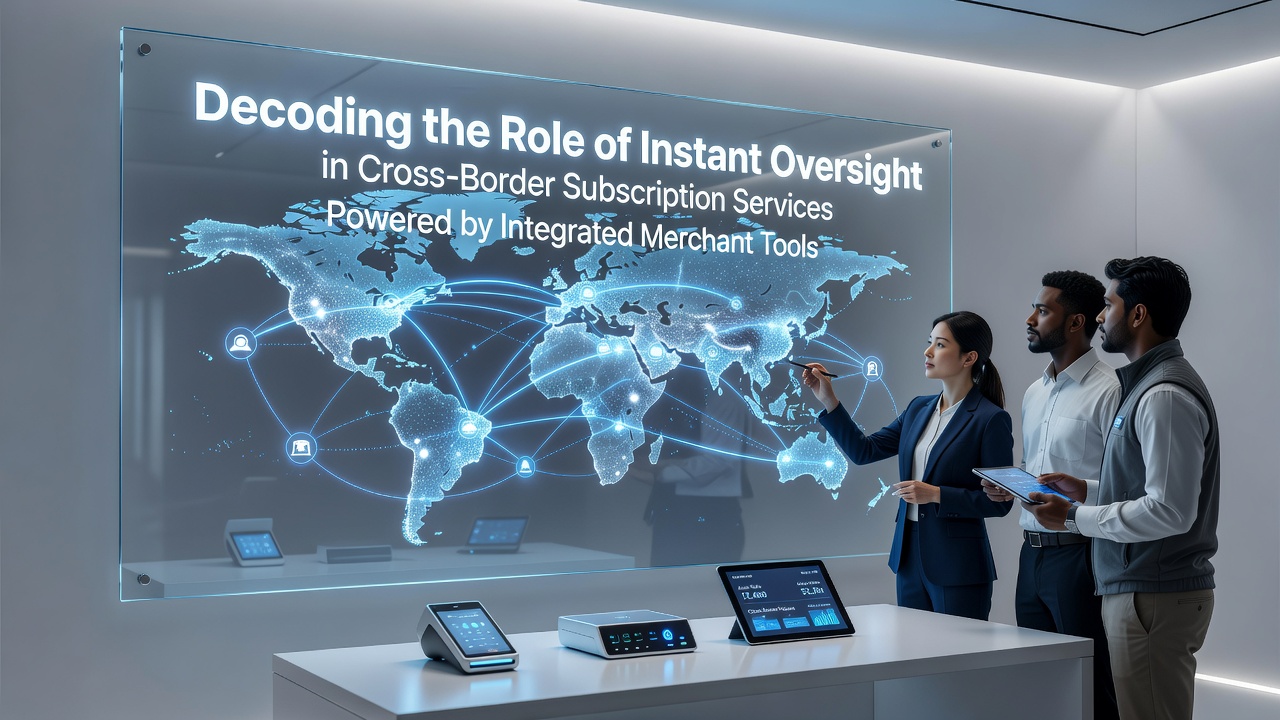
The Mechanics of Real-Time Monitoring for Global Subscription Models Using Merchant Integration Platforms
Cross-border subscription services have expanded rapidly since the early 2020s, with integrated merchant tools now forming the backbone of recurring billing across continents, and instant oversight has become central to managing transaction flows that span multiple currencies, time zones, and regulatory jurisdictions. Data from industry reports show that subscription-based revenue streams grew by double digits annually through 2025, driven by platforms handling everything from streaming content to software licenses, while payment processors integrated these tools to maintain continuity in variable-cycle operations.
Researchers at academic institutions have documented how real-time monitoring systems connect directly to merchant account APIs, allowing immediate detection of anomalies in transaction patterns that cross national borders. These systems process data streams in milliseconds, flagging discrepancies in billing amounts, IP origins, and device fingerprints before authorization completes, and studies from European payment networks indicate that such integrations reduced unauthorized recurring charges by measurable percentages in controlled pilots conducted between 2023 and 2025.
Core Functions of Instant Oversight in Subscription Ecosystems
Instant oversight operates through layered API connections that pull live data from merchant dashboards, enabling continuous verification of subscription status across different regions, and observers note that this setup supports compliance with standards like PCI DSS by maintaining encrypted channels for every recurring authorization attempt. In practice, the tools aggregate signals from card networks, mobile carriers, and banking systems simultaneously, creating a unified view that updates as new transactions arrive, while August 2026 regulatory adjustments in several Asia-Pacific markets introduced requirements for enhanced logging of cross-border data transfers that these platforms already accommodate through automated reporting modules.
Those who manage large-scale deployments report that the architecture allows for dynamic adjustments to billing cycles without manual intervention, since integrated merchant tools handle currency conversion and tax calculations in the same workflow that applies oversight rules. Evidence from transaction logs analyzed by independent research groups reveals that platforms using these combined systems processed over 40 percent more international subscriptions in 2025 compared with earlier years, with oversight features contributing to higher completion rates by intercepting potential declines early in the sequence.
Integration Patterns Across Merchant Platforms
Integrated merchant tools typically embed oversight capabilities through standardized API endpoints that link directly to compliance databases and fraud scoring engines, allowing subscription providers to maintain consistent service levels regardless of customer location. Analysts at trade organizations have tracked how these connections support variable billing frequencies, from monthly to annual renewals, by routing each payment attempt through real-time checks that reference historical behavior stored in centralized ledgers. The result appears in operational metrics showing reduced latency between billing events and confirmation, particularly when services operate across the European Union, North America, and emerging markets in Latin America.
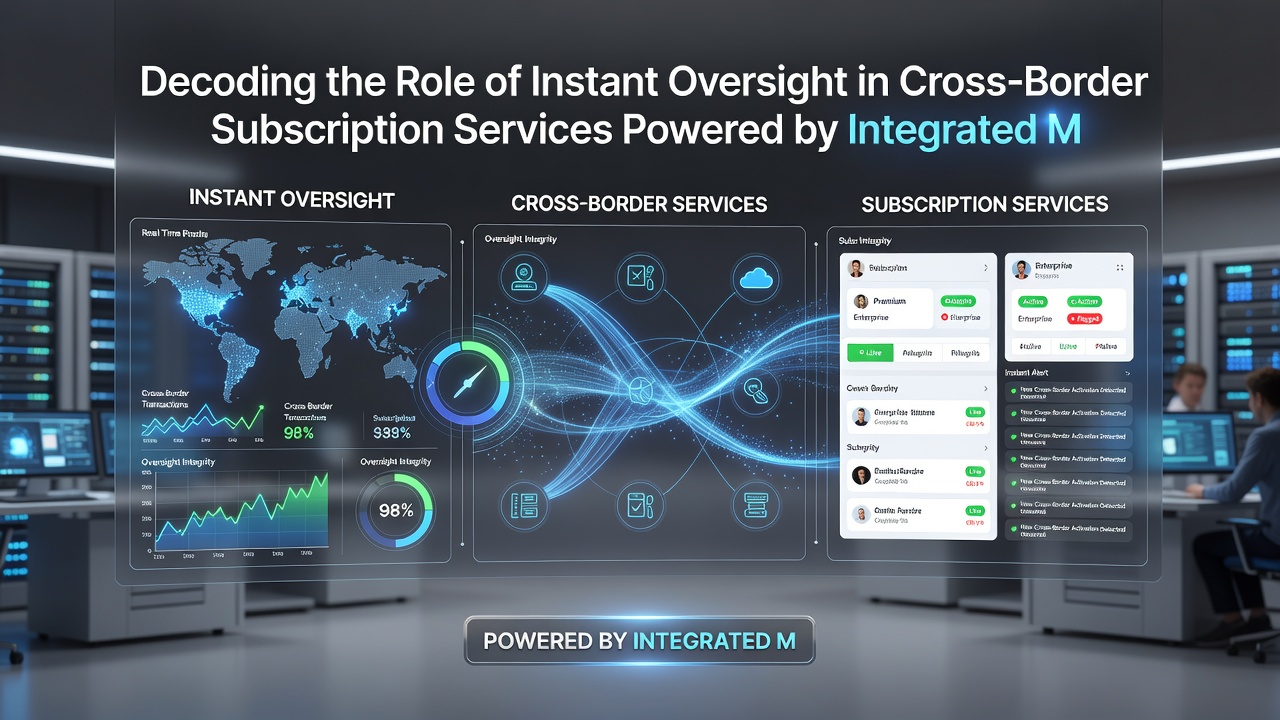
One documented case involved a media streaming service that adopted API bridges to connect its billing engine with oversight modules, resulting in automated handling of regional payment method preferences while maintaining uniform fraud thresholds. Figures from that implementation, shared in industry forums, indicated that dispute rates dropped after the integration went live, because instant alerts enabled quick resolution of mismatched billing addresses or unusual usage spikes. Similar patterns have surfaced in software-as-a-service deployments where global user bases rely on recurring charges that must clear multiple regulatory checkpoints without delay.
Regulatory Alignment and Data Handling Practices
Compliance frameworks in different jurisdictions require that cross-border subscription data undergo continuous scrutiny, and merchant integration platforms address this through built-in audit trails that capture every oversight decision. Reports issued by the Bank for International Settlements highlight the growing reliance on such automated systems to meet evolving standards for consumer protection in digital payments, with particular emphasis on transparency in recurring transactions. Platforms that incorporate these features can generate compliance documentation on demand, reducing the manual workload associated with audits conducted by authorities in Canada and Australia.
What's notable is the way oversight tools adapt to local data residency rules while still providing a global operational view, since integrated merchant accounts allow segmentation of transaction records by region without fragmenting the core monitoring process. Research indicates that services utilizing these configurations experienced smoother expansions into new markets during 2025 and early 2026, as the underlying systems already aligned with updated reporting mandates that took effect around that period.
Conclusion
The combination of instant oversight and integrated merchant tools has established a technical foundation for managing cross-border subscriptions at scale, with ongoing developments in API connectivity supporting both operational efficiency and regulatory adherence across regions. Data continues to accumulate on performance improvements tied to these systems, and industry participants track how refinements in monitoring logic affect transaction success rates in diverse economic environments. As subscription models evolve, the role of real-time oversight within these integrated frameworks remains tied to the practical requirements of secure, compliant payment processing on an international level.